You Can Lose a Client While Doing Your Best Work
Lesmon·Co-founder & CEO

On this page
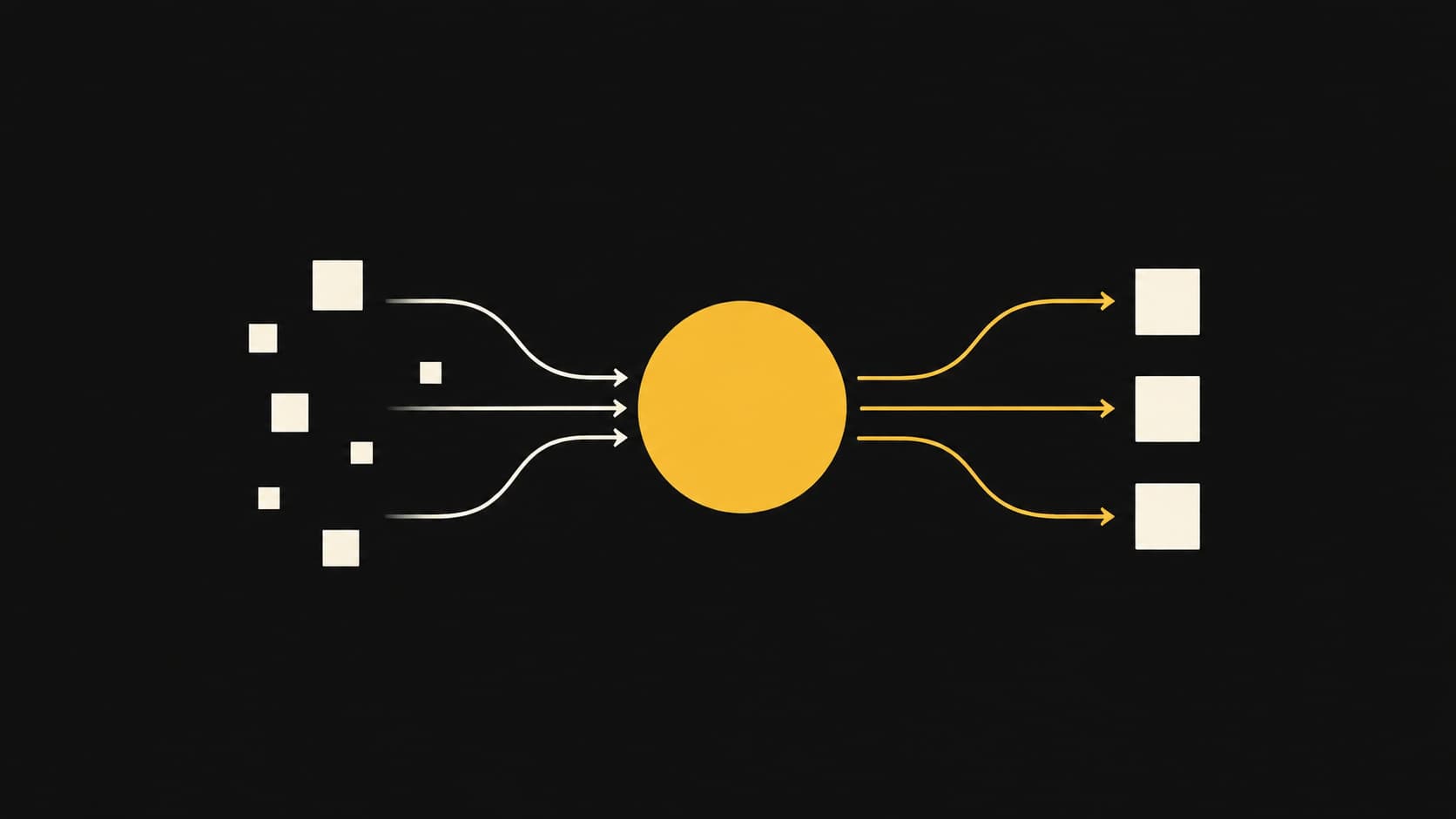

A founder I know lost a client in the middle of the best work her team had done for them. Three weeks heads-down on a reporting dashboard the client had asked for, built to spec, genuinely good. Then a Thursday email: let's pause and reassess. The work wasn't the problem. The three weeks of quiet was. Somewhere in the silence the client had decided the thing had stalled, and by the time her team shipped, they'd already left in their heads.
Predictability, not quality
The lesson stings, and the operators who've scaled past it all repeat some version of it: clients don't pay you back for quality. They pay you back for predictability. Underneath the deliverable, what they're buying is the absence of a specific background anxiety. *Is this on track? Are these people still thinking about us? * That question runs quietly through every engagement they can't see into. Let it compound for three weeks and no deliverable, however good, earns the trust back as fast as the silence spent it.
When you're two people, this is solved and you don't notice you solved it. You're on every thread already. The client hears from you constantly because there's nobody else for them to hear from, and the updates happen by accident because you're in their inbox anyway. The personal touch everyone gets sentimental about was never really warmth. It was the cheapest way to deliver predictability, and it came free with being small.
Scale breaks it at the seams. More clients, more hands on each account, a faster pace, and the first thing that quietly degrades isn't the quality of the work, it's the number of surprises. A deadline slips and nobody flags it. A new engineer joins the account and emails the client a question you'd answered at kickoff. The client hears about their own project from someone who isn't you, later than they should have. None of it is a quality problem, and all of it multiplies exactly as fast as you grow.
So the instinct is to patch it by protecting the personal touch. You climb back onto every call and start writing the notes that feel handwritten again. It's the wrong lever, and it fails two ways. It doesn't scale past your tenth client, and clients can smell performed warmth from across the room, the "just checking in!" that's checking in on nothing real. The honest move is to stop scaling yourself and start scaling the thing you were standing in for: make predictability something the system produces on its own.
The no-surprise rule and the anxiety clock
Two rules carry most of the weight. The no-surprise rule: a client should never learn something about their own project from anyone but you, and never later than you knew it. A deadline you flag slipping on Monday is a course-correction; the same slip they stumble on Friday is a betrayal. Same fact, opposite result, decided entirely by who said it first. And the anxiety clock: trust drains on a timer through the silence between updates, and a three-minute "here's where we are, here's what's next" resets it to zero.
Send it on the quiet weeks especially, when there's nothing to report. It costs almost nothing and it's the cheapest trust you'll ever buy.
The other ditch
This isn't a license to go cold. The opposite ditch is just as common: teams that turn client comms into a firehose of status reports nobody opens, which is its own quiet way of saying we've stopped paying real attention, here's a dashboard instead. The system isn't there to replace the human moments. It's there to handle the baseline so reliably that when something actually needs a human, you've got the standing and the room to show up for it.
Trust at scale stops being a relationship problem and turns into an engineering one. You're not trying to make every client feel like your only client; that lie snaps the first time you're double-booked. You're building something that reliably doesn't surprise them — and a year of never being caught off guard is what they re-sign for, long after they've forgotten whether you were charming.